
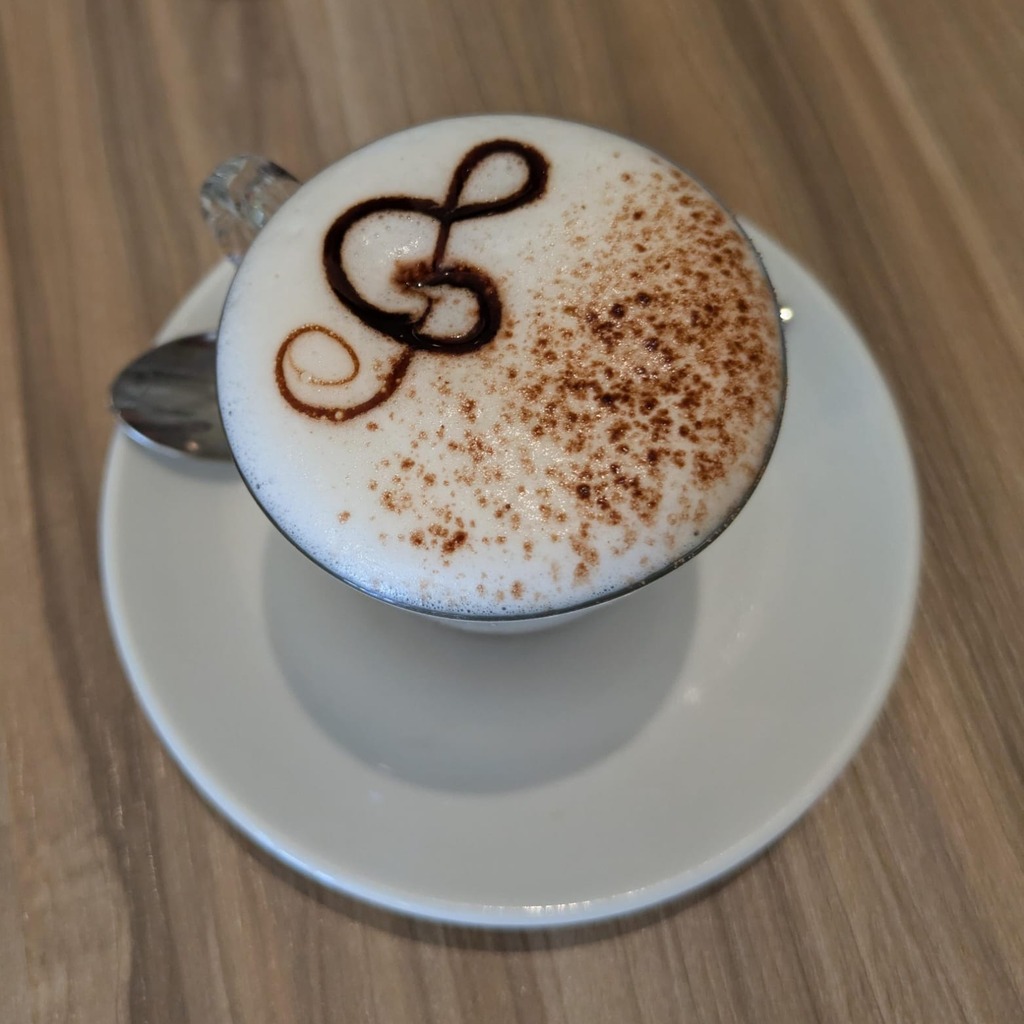
Espresso macchiato is a compact coffee for people who want the intensity of espresso with just a little steamed milk or foam. This guide explains the traditional drink, shows you how to make it at home, and clears up the difference between a macchiato and its milkier cousins.
What is an espresso macchiato?
The Italian word macchiato means “stained” or “marked.” In the classic version, a shot of espresso is marked with a small spoonful of steamed milk foam. The result is still espresso-forward: creamy at the surface, aromatic, and much less milky than a latte.
For background on espresso preparation and coffee standards, compare the brewing guidance from the National Coffee Association and the Specialty Coffee Association. They are useful references for the extraction and water-quality fundamentals behind a balanced shot.
Espresso macchiato vs. latte macchiato
The names are easy to mix up because both drinks use espresso and milk, but the proportions point in opposite directions:
- Espresso macchiato: espresso is the base and receives a small mark of milk foam.
- Latte macchiato: steamed milk is the base and is marked by poured espresso, usually producing a taller, milkier drink.
- Caramel macchiato: a modern sweet coffee-shop style that commonly includes flavored syrup, milk, espresso, and caramel; it is not the traditional Italian preparation.
How to make an espresso macchiato
What you need
- 1 fresh espresso shot, about 25–30 ml
- 1–2 teaspoons cold milk
- Espresso cup or small demitasse
- Espresso machine and steam wand, or a small milk frother
Step-by-step method
- Brew the espresso. Use freshly ground coffee and serve the shot immediately in a preheated demitasse. A balanced shot should taste sweet and structured rather than sharply sour or burnt.
- Make a small amount of foam. Introduce air briefly, then texture the milk until it is glossy and fine-bubbled. You only need enough for a small dollop, not a full pitcher.
- Mark the espresso. Spoon the foam onto the center of the crema. Keep the addition restrained so the coffee remains the main flavor.
- Serve right away. Sip it while the crema and foam are fresh, and avoid adding a large volume of milk that turns it into a latte.
Tips for a better macchiato
- Use beans you enjoy on their own; a macchiato does not hide stale or overly bitter coffee.
- Keep the milk texture silky and the portion small. Large, dry bubbles overpower the espresso.
- Warm the cup before brewing so the short drink stays hot longer.
- If the espresso tastes harsh, adjust grind, dose, or extraction before adding extra milk.
- For a broader comparison of styles, read our guide to macchiato types and brewing tips.
Serving ideas and variations
A traditional espresso macchiato is best served without syrup, but a light dusting of cocoa or cinnamon can work when you want a dessert-like accent. For a richer, cream-topped drink, explore our espresso con panna recipe. For dairy-free preparation, use a barista-style oat or soy milk and foam only a small amount; the flavor will be different from the classic version.
Espresso macchiato FAQ
Is an espresso macchiato strong?
It tastes strong because the drink is mostly espresso, although its caffeine content depends on the coffee dose and shot size. The small amount of milk softens the texture without making it a large milk drink.
How much milk goes in a macchiato?
Traditionally, only a small spoonful of steamed milk foam is added—enough to mark the espresso. There is no single universal café measurement, so keep the proportion espresso-led.
Can I make one without an espresso machine?
Yes. Brew a concentrated coffee with a moka pot or another method you know well, then add a small amount of frothed milk. It will not be technically identical to machine espresso, but the same espresso-forward idea works.
What is the difference between a macchiato and a cappuccino?
A macchiato is much smaller and contains far less milk. A cappuccino is built as a fuller drink with espresso, steamed milk, and foam in a more substantial proportion.
Conclusion
An espresso macchiato is simple by design: a well-made espresso, a small mark of silky milk foam, and no unnecessary extras. Start with a balanced shot, keep the milk restrained, and adjust the texture until the coffee still leads every sip.


Leave a Reply
Have something to add?
We would love to hear from you.