
Cafe Latte at Home: A Smooth Espresso and Steamed Milk Recipe
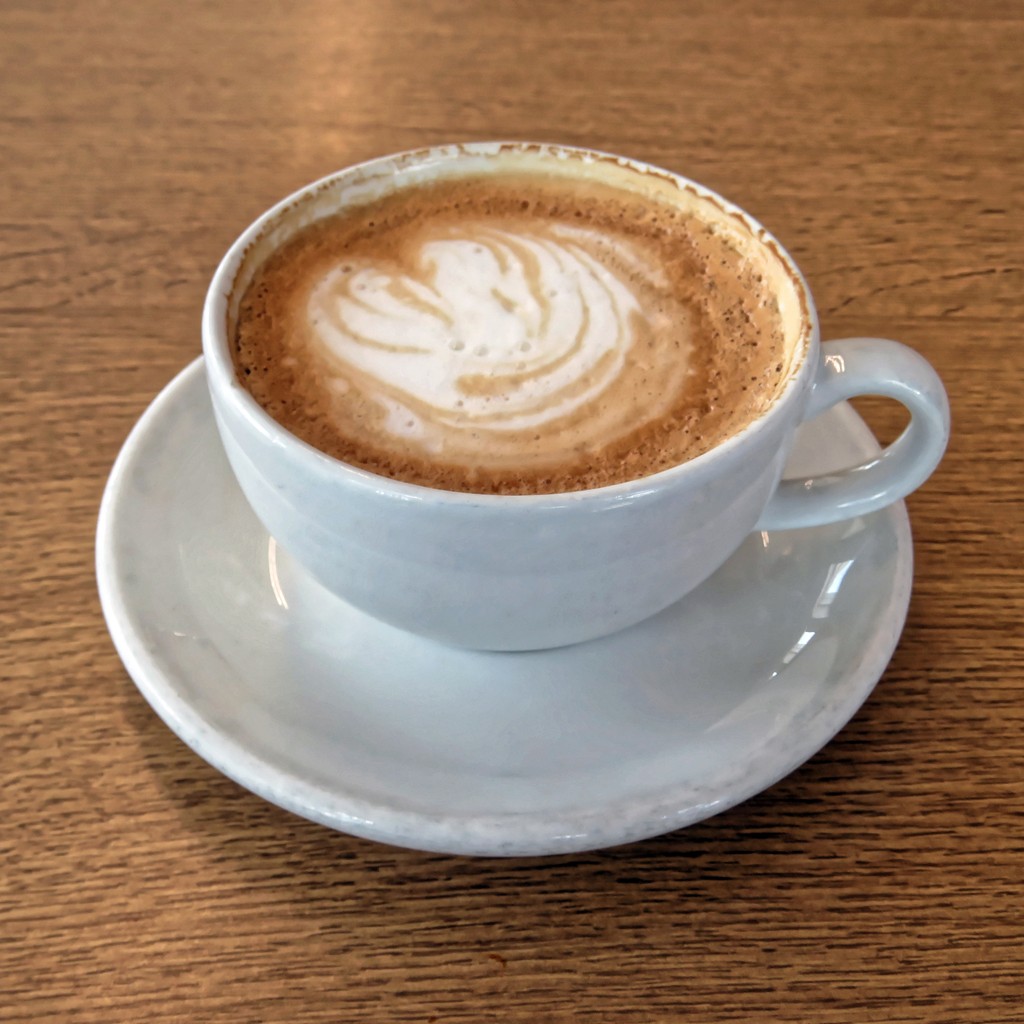
A cafe latte is one of the easiest espresso drinks to make at home: bold espresso softened with silky steamed milk and a light cap of foam. This guide gives you a dependable method, sensible proportions, and simple fixes when the texture is not quite right.
What is a cafe latte?
A cafe latte, or caffè latte, is an espresso-based drink combined with steamed milk and a small amount of milk foam. It is typically milkier and less foam-forward than a cappuccino. The exact size and milk-to-espresso balance vary by cafe, so use the method below as a flexible starting point rather than a rigid rule.
For general brewing fundamentals, the National Coffee Association’s brewing guide is a useful reference. For another milk-based coffee idea, try our cookie butter latte recipe.
What you need
- 1 or 2 shots of freshly brewed espresso
- 6 to 8 ounces cold milk or an unsweetened alternative that steams well
- A latte cup or heat-safe mug
- An espresso machine with a steam wand, or a milk frother
How to make a cafe latte
1. Brew the espresso
Pull one or two shots into your warmed cup. A double shot gives the drink a more pronounced coffee flavor, while a single shot makes a gentler latte.
2. Steam the milk
Start with cold milk in a pitcher. Add air briefly near the surface, then lower the wand slightly and create a smooth whirlpool. Stop when the milk is hot and glossy, with fine bubbles rather than large, dry foam. If you do not have a steam wand, warm the milk gently and froth it with a handheld frother.
3. Combine and serve
Swirl the pitcher, then pour the milk steadily into the espresso. Finish with a thin layer of foam. Serve immediately; the drink tastes best while the espresso aroma and milk texture are fresh.
Tips for a smoother latte
- Use fresh espresso. Grind just before brewing when possible, and adjust the grind if the shot runs unusually fast or slow.
- Keep the milk silky. Large bubbles make the drink feel airy instead of creamy, so tap and swirl the pitcher before pouring.
- Choose your milk thoughtfully. Dairy milk is forgiving; oat milk labeled for barista use often produces a stable foam, while plant milks can vary by brand.
- Sweeten after tasting. A little sugar, honey, or flavored syrup can complement the coffee, but the latte should not need sweetness to hide a harsh shot.
Cafe latte variations
Use a single shot and less milk for a smaller, coffee-forward drink. Add vanilla or caramel syrup for a flavored latte, or dust the finished foam with cinnamon. For a chilled version, pour the espresso over ice and add cold milk instead of steaming it.
Frequently asked questions
Is a cafe latte the same as a cappuccino?
No. Both use espresso and milk, but a latte generally has more steamed milk and a thinner foam layer, while a cappuccino is smaller and more foam-forward. Cafe recipes differ, so the texture is a more useful distinction than a universal volume rule.
Can I make a latte without an espresso machine?
Yes. Use a concentrated stovetop espresso-style coffee or strong brewed coffee, then warm and froth the milk separately. It will not taste exactly like a machine-pulled espresso latte, but the same coffee-and-silky-milk idea works well.
What milk makes the best latte foam?
The best choice depends on your taste and equipment. Dairy milk is a reliable starting point; barista-style oat milk is a popular dairy-free option. Always check the carton and stop heating before the milk becomes scalding.
Conclusion
Making a cafe latte at home comes down to three habits: start with balanced espresso, texture the milk until it is glossy, and pour while both components are fresh. Once the basic method feels natural, adjust the shot size, milk, and flavorings to make your everyday cup your own.





Leave a Reply
Want to join the discussion?Feel free to contribute!